The Agentforce Partner Network now counts over 200 partners, global firms are acquiring AI boutiques, and every Salesforce shop's website says "AI." If you're shopping for a partner, the marketing is indistinguishable. The delivery is not. Here are the seven questions that separate them — use these in every vendor call, including ours.
1. "Show me an agent you built that's in production today."
Not a demo org. A real agent, at a real client, with real traffic. Ask what its containment rate is, what it cost, and what went wrong in the first month. A partner who can't discuss failures hasn't shipped enough agents to have any.
2. "Who exactly will work on my project?"
The industry's oldest trick: senior architects in the sales cycle, a rotating bench in delivery. Ask for the names and certifications of your actual team — and whether the person who scopes the agent will build it. As the ecosystem consolidates into global firms, this question matters more every quarter.
3. "How do you keep the agent from being wrong?"
The answer should be specific and layered: curated grounding sources, deterministic paths (Agent Script) for regulated steps, topic boundaries, least-privilege action permissions, adversarial testing before launch, and health monitoring after. If the answer is "the model is very good," end the call.
4. "What data work does my use case actually need?"
Beware both extremes: "no data prep needed" (your agent will confidently lie) and "first, a two-year Data Cloud program" (you're funding their bench). The right answer scopes data readiness to the use case — fix what the agent touches, ship, widen.
5. "Can your agents transact, or just talk?"
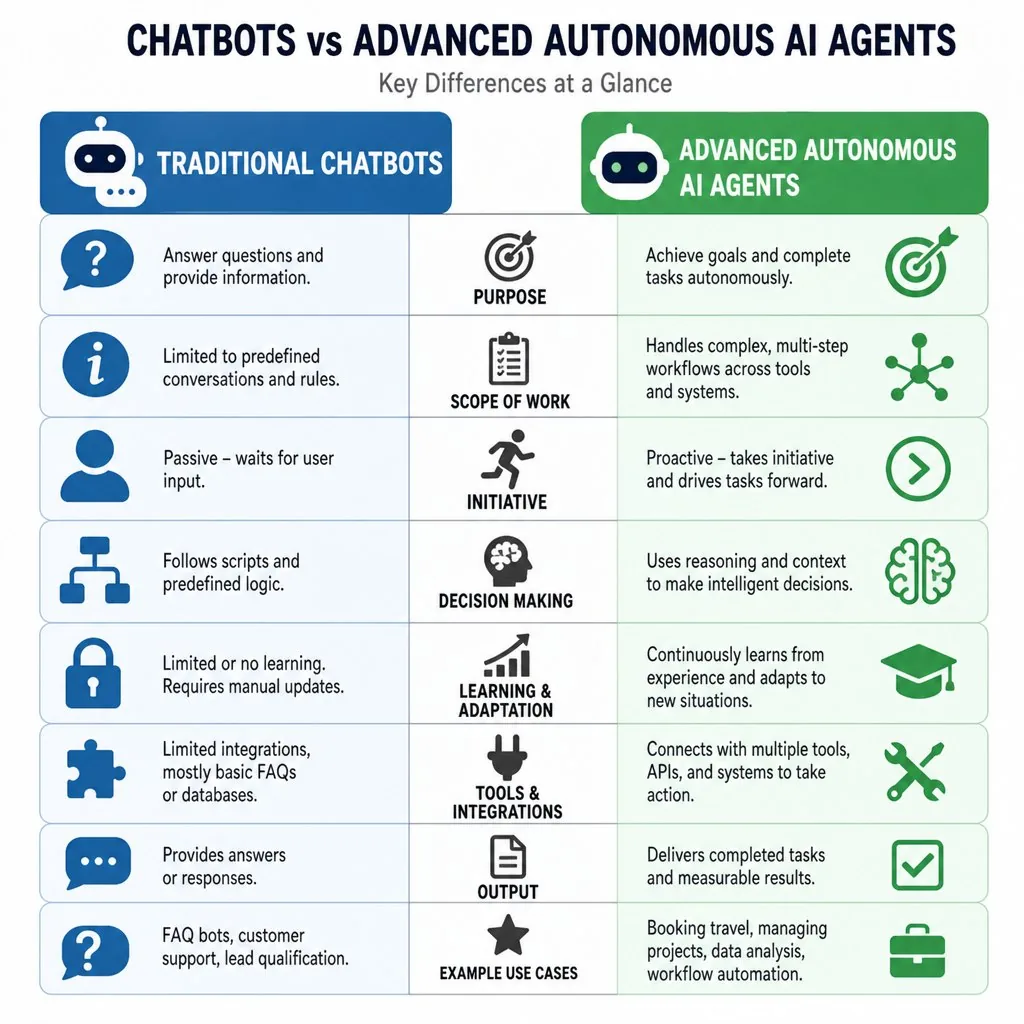
Answering questions is table stakes. Value comes from action: updating records, generating documents, booking appointments, calling APIs across your systems. Probe the partner's integration depth (MuleSoft, API architecture) and process automation depth — an agent that can't reach your systems is a chatbot with better marketing.
6. "What does the first 90 days cost, and what do I have at the end?"
Good partners scope a fixed pilot with defined success metrics: an agent in production, measured deflection or conversion, and a decision framework for what's next. Vague time-and-materials "AI journeys" are how six figures disappear without an agent to show for it.
7. "What happens after launch?"
Agents degrade without tuning: knowledge goes stale, new products confuse topics, and volume shifts. Ask what a monitoring-and-tuning cadence looks like and what it costs. A partner with no answer is planning to disappear at go-live.
The verification step most buyers skip
Read the partner's AppExchange reviews — not the count, the text. Look for named consultants, repeat purchases, and specifics ("came in on budget," "best UAT documentation"). Reviews are the one marketing channel partners can't write themselves.
Scoring the answers: a simple matrix
Run every candidate through the seven questions and score each answer 0–2: zero for marketing, one for a credible answer, two for a credible answer with evidence (a named client, a metric, a document you can read). Partners scoring under eight are selling enthusiasm. Above eleven, you're choosing between good options — at that point weigh chemistry and industry depth, because you'll spend months with these people.
Red flags that end the evaluation early
- “No data prep needed.” Your agent will confidently lie in production.
- “First, a two-year data program.” You're funding a bench, not building an agent.
- Certification-count marketing with no named consultants. Certifications matter; anonymous ones don't.
- No answer for what happens after launch. Agents degrade without tuning — a partner without a monitoring cadence is planning to disappear at go-live.
- Unwillingness to fix a price for the pilot. If they can't scope 90 days, they can't scope anything.
Why fewer, deeper partners win
The ecosystem is consolidating into global firms, and the bait-and-switch risk grows with every acquisition. The counterweight is structural, not rhetorical: choose partners where the architect who scopes the work delivers it, where reviews name individuals, and where the firm ships its own products on the platform it advises on — because living with your own architecture in production keeps advice grounded in consequence. (Yes, that's our model; it's also simply the model that works, whoever you hire.)
We're happy to be measured against all seven questions — that's why we published them. See our Agentforce practice or put us through the interrogation.