Adopting modern crm solutions is no longer a luxury; it is a fundamental necessity for businesses aiming to scale in a competitive digital landscape. While Salesforce undeniably stands out as the global leader in customer relationship management, purchasing licenses is only the first step. To truly unlock the platform's immense potential and drive revenue, organizations heavily rely on professional salesforce implementation services.
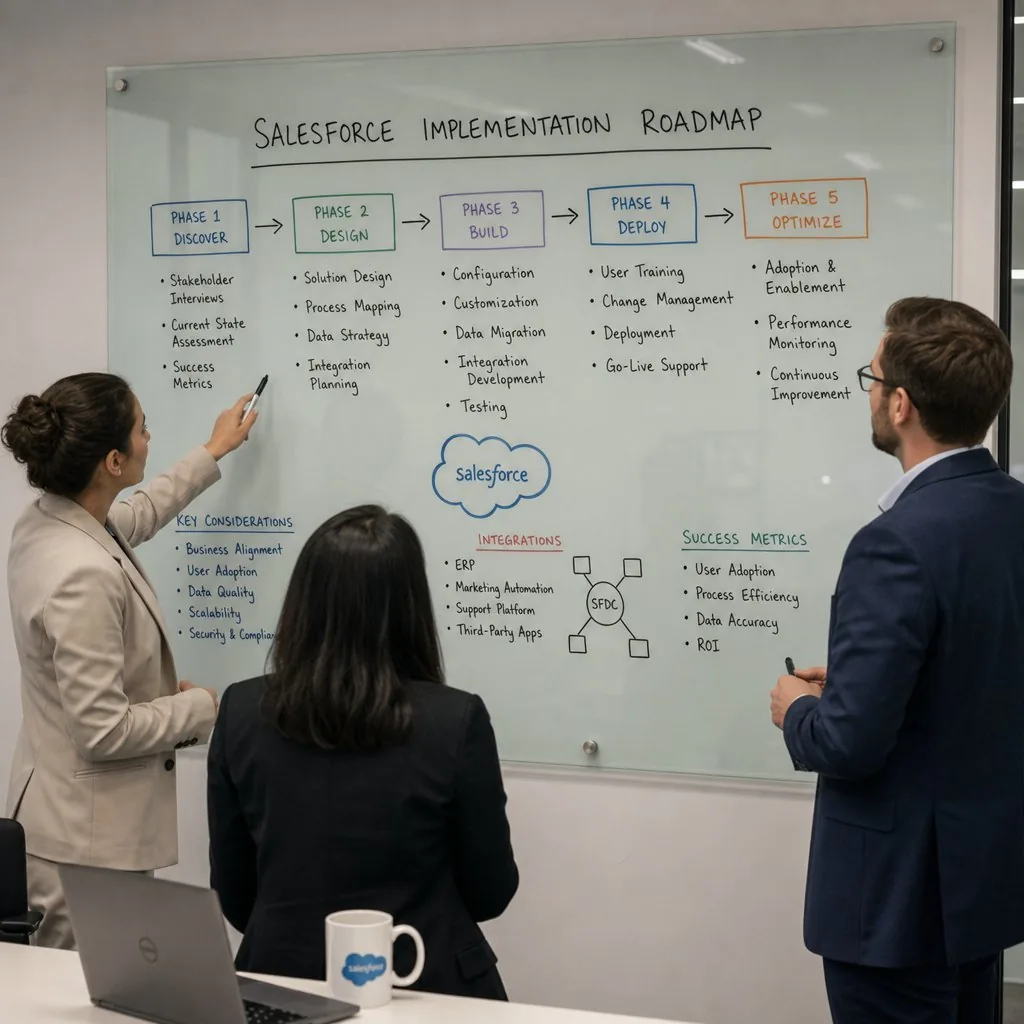
Transitioning to a comprehensive new system is a major technical and cultural undertaking. By partnering with dedicated experts, businesses can effectively transform their sales pipelines, customer service workflows, and marketing operations while avoiding the costly missteps that plague unguided deployments. A strategic implementation goes beyond mere software setup; it aligns the technology directly with your unique business goals, ensuring every feature serves a specific, measurable purpose.
The Strategic Value of Professional CRM Implementation
It is a very common and critical question among IT leaders: why do salesforce implementations fail? The harsh reality is that many companies treat a crm implementation as a simple, plug-and-play software installation rather than a comprehensive, strategic business transformation. Without proper guidance, businesses often suffer from historically poor user adoption, misaligned workflows that frustrate employees, and dirty data that corrupts reporting.
This is precisely where professional salesforce implementation services come into play. By thoroughly evaluating salesforce consulting partner expertise, you ensure you are teaming up with professionals who understand the intricate nuances of your specific industry. Top-tier consultants do not just configure settings; they map out a comprehensive salesforce implementation roadmap for enterprises. This roadmap guarantees that every phase—from initial discovery and blueprinting to deployment and training—aligns with your broader corporate objectives, significantly mitigating risk and ensuring a smooth rollout.
Navigating Costs and Choosing the Right Talent
When budgeting for your upcoming CRM project, a frequent question that arises during boardroom discussions is: how much does a salesforce consultant cost? While consulting rates can vary widely based on geographic location, project scope, and specific technical expertise, the more important consideration is long-term value and risk reduction.
Organizations often find themselves weighing the pros and cons of a certified salesforce partner vs freelance developer. While a solo freelancer might offer significantly lower hourly rates, they often lack the bandwidth to handle complex, multi-cloud deployments. Conversely, a certified implementation partner brings a robust, multidisciplinary team consisting of system architects, backend developers, business analysts, and dedicated project managers. This depth of talent accelerates project timelines and provides comprehensive solutions that a single developer simply cannot match. High-quality salesforce consulting effectively pays for itself by preventing expensive do-overs, ensuring scalability, and delivering a system that works flawlessly from day one.
Understanding the Total Cost of Ownership
When analyzing expenditures, it is critical to look beyond the initial deployment phase. A well-executed CRM strategy considers the total cost of ownership, which includes ongoing licensing fees, internal training efforts, and potential future customizations. By working closely with an experienced consulting partner, executives can develop highly accurate, long-term budgets. This foresight prevents unexpected financial surprises and ensures that sufficient capital is allocated not just for the launch, but for the continuous optimization of the platform.
Core Benefits of Customization and Tailored Workflows
Architecture and Custom Design
One of the greatest advantages of enlisting expert help is successfully navigating the complex decision between salesforce out of the box vs custom development. A seasoned CRM architect knows exactly when standard, native features will suffice to meet your goals and when heavy, code-based customization is required to support unique business rules. Furthermore, experts excel at customizing salesforce objects for specific industries. For example, they ensure that a healthcare provider’s secure patient portal looks, behaves, and operates entirely differently from a fast-paced retail company’s inventory and sales tracking setup.
Seamless Systems Integration
Modern businesses rely on a complex ecosystem of applications to function daily. Effective salesforce integration bridges the critical gap between your new CRM and legacy external tools, such as ERP systems, financial accounting software, or human resources platforms. By seamlessly streamlining business processes with cloud automation, implementation consultants can eliminate tedious manual data entry. This interconnectivity empowers your sales representatives to focus entirely on nurturing relationships and closing deals, rather than wasting valuable hours updating disjointed spreadsheets.
Upgraded Marketing Capabilities
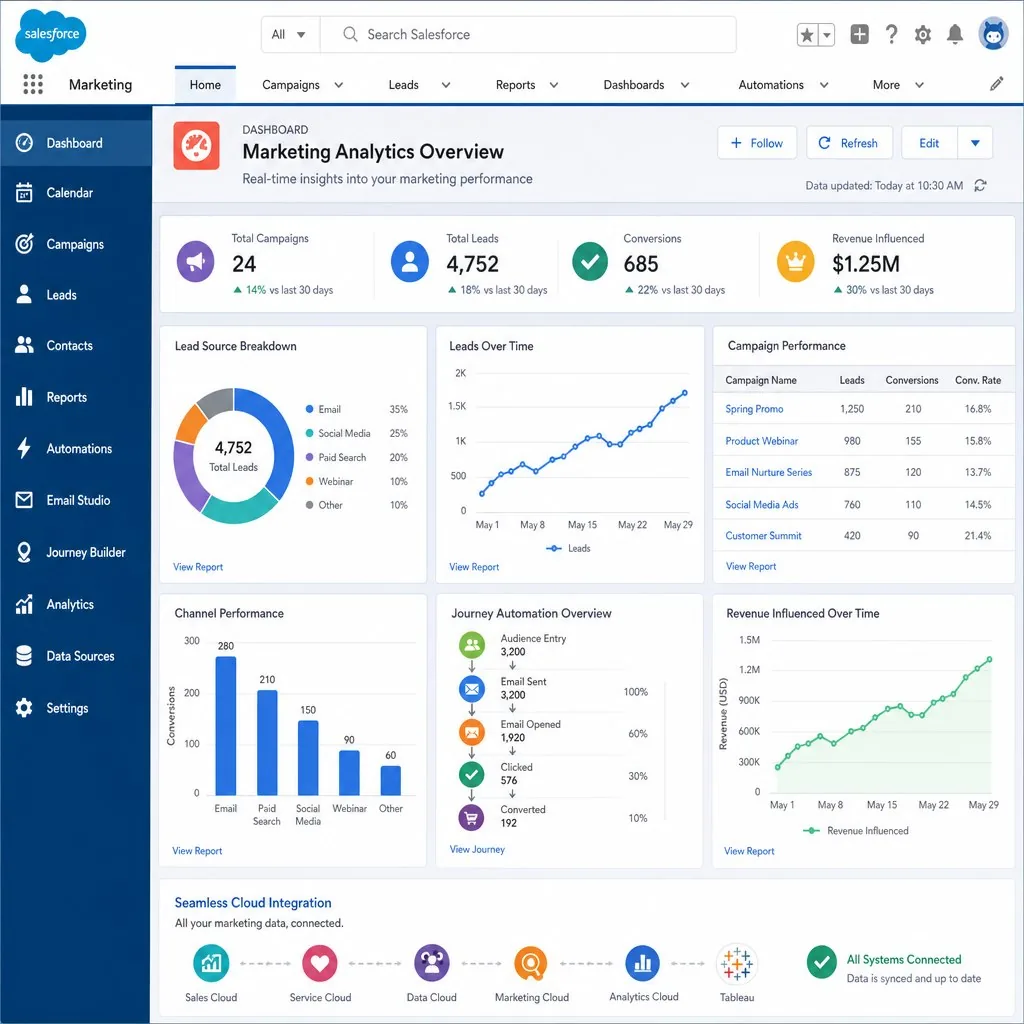
For organizations looking to hyper-personalize their customer journeys and drive deeper engagement, specialized salesforce marketing cloud implementation services are incredibly invaluable. Implementation experts can configure highly complex marketing funnels, build automated, trigger-based email campaigns, and connect diverse marketing data directly to sales pipelines. This ensures a seamless lead handoff between the marketing and sales departments, ultimately boosting conversion rates and customer retention.
Executing a Flawless System Transition
Strategic Project Management
Successful enterprise software deployments do not happen by accident; they require rigorous planning and execution. Top-tier consulting agencies heavily utilize an agile methodology for salesforce project management. This highly iterative approach breaks the massive deployment process down into smaller, manageable sprints. Agile methodology provides several key advantages:
Continuous User Testing: Allows internal teams to test features in real-time environments.
Rapid Feedback Loops: Ensures immediate corrections and adjustments before final deployment.
Real-Time Refinement: Adapts to evolving business requirements dynamically rather than remaining static.
This flexible structure ensures the final product perfectly mirrors the actual needs of the end-users rather than relying on outdated assumptions made months prior.
Mastering Data Migration and Cleansing
Data is the fundamental lifeblood of your CRM. Following the precise steps to migrate legacy data to salesforce is critical to avoid bringing old, messy, or duplicated information into your pristine new system. Professional implementation teams excel at resolving data integrity issues during crm setup by performing:
Rigorous data cleansing and formatting to standardize all records.
Complex deduplication routines to merge overlapping accounts.
Precise field mapping to align legacy architecture with modern cloud frameworks.
This meticulous preparation guarantees that your executive dashboards and sales reports are powered by accurate, actionable intelligence.
Embracing Modern Interfaces
If your organization is finally upgrading from older, legacy CRM systems or migrating away from Salesforce Classic, implementation experts can expertly guide you through comprehensive salesforce lightning transition best practices. They meticulously ensure that custom buttons, older Visualforce pages, and complex backend workflows are properly converted and optimized for the modern Lightning Experience. This transition drastically improves overall system performance, enhances user interface usability, and boosts daily productivity.
Driving Long-Term Success and ROI

Securing High User Adoption
The most beautifully designed, technologically advanced CRM is entirely useless if your sales and service teams refuse to log in and use it. Maximizing user adoption after crm deployment requires a multifaceted approach. It demands robust, role-specific training programs, highly intuitive dashboard designs that reduce unnecessary clicks, and early engagement with internal system champions who can internally advocate for the new technology.
When adoption rates soar across the organization, measuring return on investment for crm integration becomes much easier and far more accurate. Business leaders will rapidly start to see tangible, measurable improvements in key performance indicators, including higher lead conversion rates, significantly faster customer case resolution times, and elevated customer satisfaction scores.
Continuous System Improvement
Beyond initial adoption, maximizing your investment means treating Salesforce as an evolving ecosystem rather than a static software tool. Implementing a center of excellence within your organization can help gather user feedback and prioritize new feature rollouts continuously. This proactive approach ensures that as your business strategies pivot, your CRM infrastructure adapts concurrently, further cementing your return on investment and maintaining a sharp competitive edge.
The Crucial Role of Ongoing Managed Services
It is vital to understand that a successful software implementation is not the finish line; it is merely the beginning of your digital transformation journey. To keep your comprehensive system running smoothly as your business inevitably evolves, post-implementation support and managed services are absolutely essential. Dedicated, ongoing salesforce support ensures that as the platform releases its major updates—typically three times a year—your custom integrations, proprietary code, and third-party applications remain fully functional and secure.
Whether your team needs assistance building complex new executive reports, troubleshooting minor system bugs, designing new automated workflows, or providing refresher training for recent new hires, ongoing managed services provide immense peace of mind. Having a dedicated support team allows your internal staff to focus on strategic growth initiatives rather than acting as impromptu IT support, ensuring continuous system enhancement and sustained operational excellence over the long term.
Conclusion
Investing in a world-class CRM platform like Salesforce requires equally impressive, strategic execution to yield actual business results. By fully leveraging professional implementation teams, forward-thinking businesses can avoid common technological pitfalls, ensure absolute data integrity, and drive exceptionally high user adoption rates across all departments. Organizations that attempt a do-it-yourself approach often face significant setbacks, bloated budgets, and internal resistance. Conversely, choosing the right partner guarantees a seamless, transformative journey. Ultimately, expertly executed rollouts transform your CRM from a mere static database into a highly dynamic, automated engine for sustained business growth, competitive advantage, and long-term customer success.