Welcome to the modern era of business, where staying competitive means embracing technology that works smarter, not harder. If you have been exploring our automation practice, you already know the landscape of digital operations is shifting at breakneck speed. Gone are the days when automation merely meant sending triggered marketing emails or scheduling simple out-of-office replies. Today, a comprehensive automation solution sits at the very heart of organizational growth and sustainability, enabling forward-thinking teams to eliminate repetitive tasks and focus entirely on high-impact strategic initiatives.
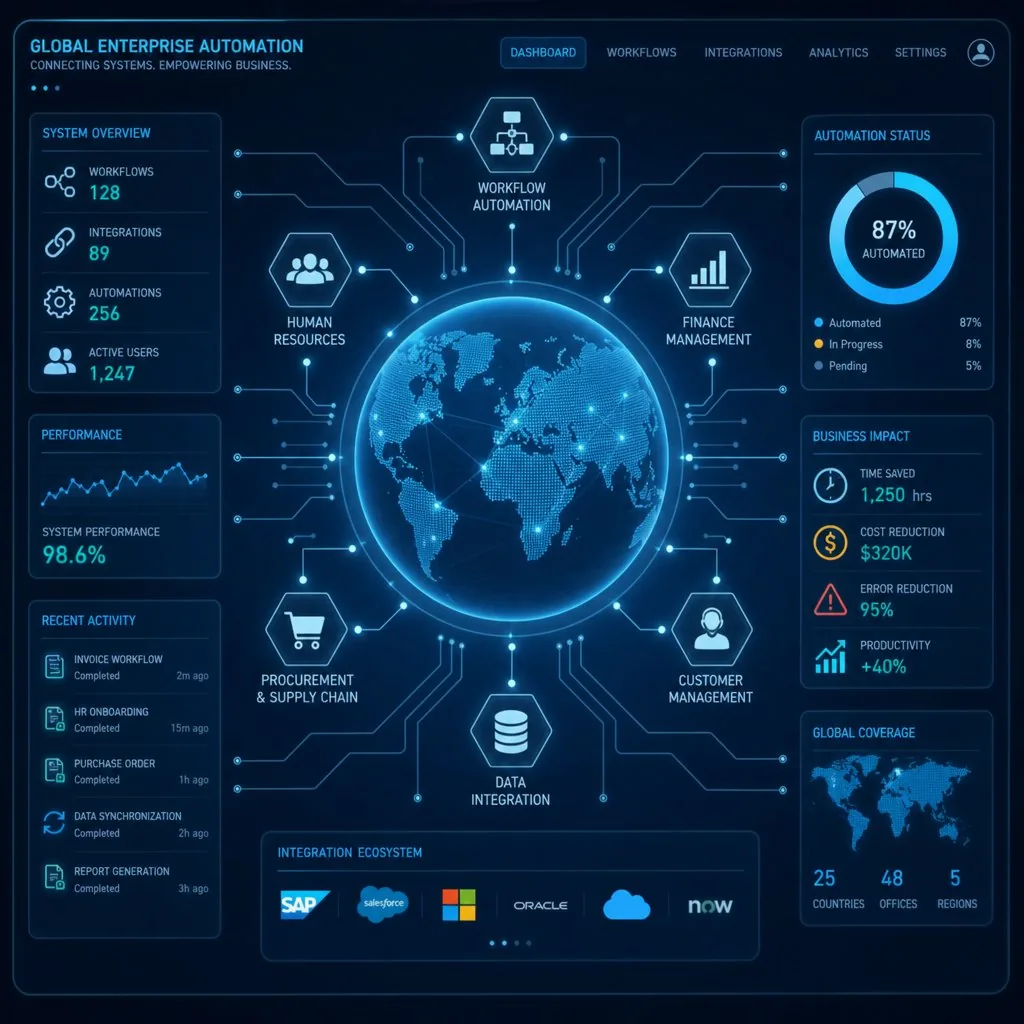
Let's dive deep into how enterprise automation is fundamentally reshaping the corporate world. We will explore actionable insights, discuss advanced technical methodologies, and examine how adopting the right digital framework helps your business thrive. Whether you lead a massive global corporation or a growing local firm, understanding how to harness these tools is no longer optional—it is a critical imperative for long-term survival in a highly connected marketplace.
Not too long ago, an average automation workflow consisted of rudimentary "if this, then that" rules. While undeniably helpful for basic administrative chores, these rigid systems lacked the ability to adapt to complex, unpredictable business environments. Today, we are witnessing a massive paradigm shift away from fragile scripts toward cognitive, self-learning digital networks.
So, exactly what is intelligent process automation (IPA)? Unlike traditional, rule-based software bots that instantly break down when encountering an unexpected exception, IPA seamlessly combines artificial intelligence, machine learning, and cognitive computing to manage highly complex processes. By successfully implementing ai-driven data processing, your business systems can now accurately read unstructured data—such as scanned vendor invoices or incoming customer emails—make nuanced contextual decisions, and independently route vital information without human intervention.
Looking ahead, one of the most exciting future trends in hyperautomation is the complete unification of these disparate technologies. Hyperautomation automates the automation process itself. By utilizing advanced process mining technology, businesses can automatically discover hidden internal inefficiencies and instantly deploy tailored automation software solutions to fix them. This technological sophistication ensures optimal scalability in enterprise digital transformation, allowing operational systems to grow and adapt seamlessly alongside your expanding corporate footprint.
Crafting Winning Business Process Automation Strategies
Deploying new software purely for technology's sake is a guaranteed recipe for frustration and wasted capital. To see tangible results, executive leadership teams must design deliberate business process automation strategies. But for those just beginning their digital journey, exactly how to automate manual workflows effectively without causing massive operational disruptions?
Audit Current Operations: Before writing code, objectively identify your bottlenecks. Which repetitive daily tasks consume the most man-hours across your departments?
Choose the Right Integration: When mapping your technical architecture, you will inevitably face the debate of robotic process automation vs api integration. RPA is excellent for interacting with older, closed systems by mimicking human clicks on interfaces. Conversely, API integration allows modern web applications to communicate flawlessly behind the scenes, offering vastly superior stability. A strategic hybrid approach often yields the best results.
Map the Workflows: Visually plot every step, technical dependency, and potential exception on a whiteboard before attempting to build the automated solution.
By laying this essential groundwork, companies can confidently deploy tailored workflow automation solutions that precisely address specific operational pain points. The profound benefits of custom automation software become glaringly evident here: rather than forcing your human team to adapt their working style to accommodate rigid off-the-shelf software, custom digital builds are architected to adapt perfectly to your unique organizational DNA.
Overcoming Digital Transformation Challenges
Transitioning to fully digital-first operations is rarely a completely smooth trajectory. Internal employee resistance, entrenched departmental data silos, and decades of accumulated technical debt can easily stall your progress. Successfully overcoming digital transformation challenges strictly requires highly robust change management. Leaders must proactively communicate exactly how the newly introduced automation solutions will empower employees to perform more engaging, creative work, rather than acting as a mechanism to replace their jobs.
Furthermore, dealing with outdated, fragile infrastructure requires deliberate legacy system modernization techniques. This might involve encapsulating old monolithic mainframe systems with modern microservices, or systematically migrating vulnerable on-premise databases into a highly secure cloud environment to minimize potential downtime.
Maximizing Efficiency with Next-Generation Workflows

A core motivation behind adopting modern digital technology is the undeniable impact it has on the company's bottom line. The overarching goal of reducing operational costs through technology is no longer just a catchy buzzword; it is a meticulously tracked financial reality for top-performing global companies.
When you thoughtfully implement enterprise workflow automation, you instantly eliminate the expensive, time-consuming errors inherently associated with manual data entry. Furthermore, utilizing advanced machine learning in workflow optimization allows your software systems to actively learn from vast amounts of historical transactions. For example, a well-trained predictive model can accurately forecast global supply chain shortages based on seasonal purchasing data, automatically triggering proactive purchase orders well before your warehouse inventory runs out.
This intelligent operational optimization spans across all levels of the modern business ecosystem. For smaller, growing setups, adopting agile cloud-based automation for small businesses democratizes access to previously unaffordable enterprise-grade tools. Without the staggering financial need for massive on-premise servers and dedicated IT staff, ambitious startups and local companies can deploy powerful software platforms to seamlessly manage their accounting, customer service, marketing, and inventory logistics.
Meanwhile, large multinational corporations heavily rely on advanced automation software solutions to flawlessly handle hundreds of thousands of concurrent daily processes. Integrating low-code development for business efficiency allows non-technical team members—often referred to in the industry as "citizen developers"—to independently build, test, and tweak departmental workflows via highly intuitive drag-and-drop visual interfaces. This operational agility drastically reduces the heavy technical burden placed on backlogged IT departments and significantly accelerates the rapid deployment of innovative new business processes.
Evaluating the Impact: ROI and Enterprise Scalability
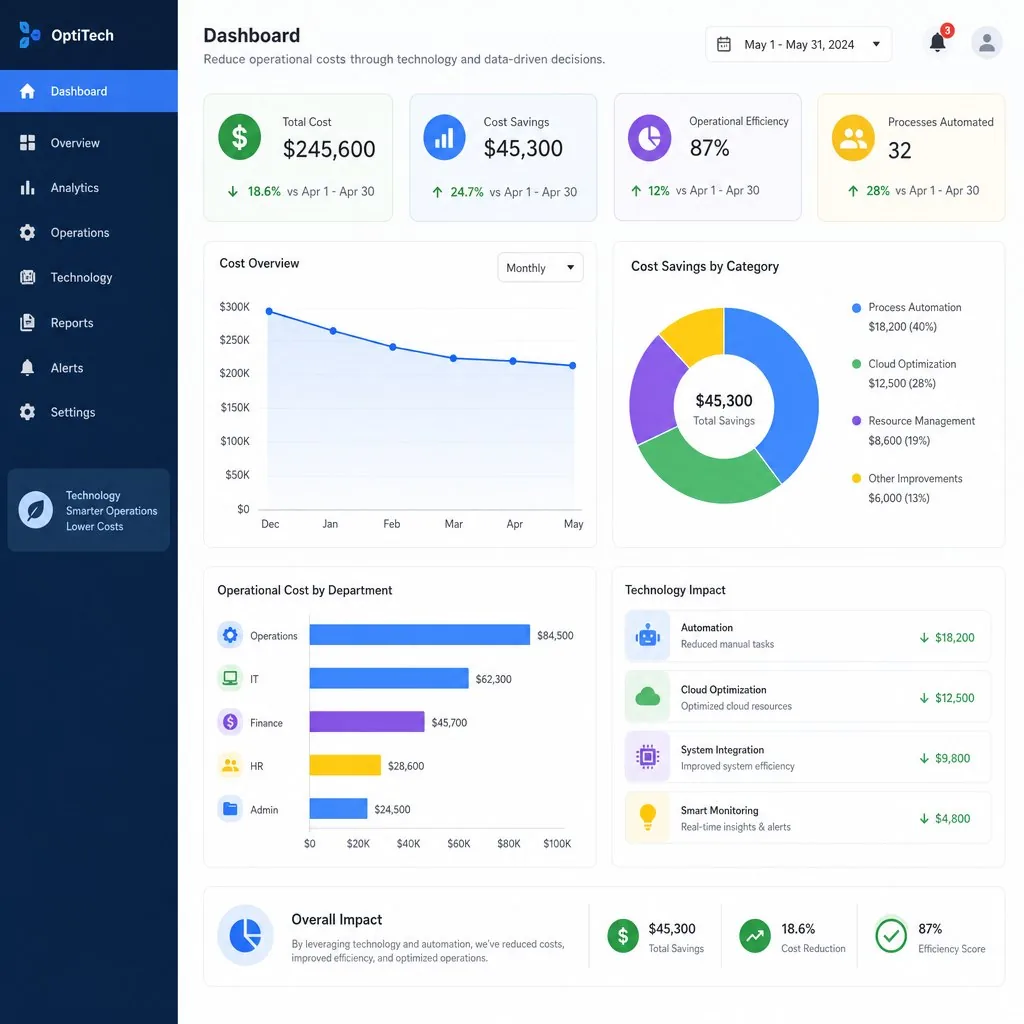
Any significant capital investment in an automation solution must be clearly justified by a strong, demonstrable return. However, accurately measuring ROI of automated software goes far beyond simply calculating the hourly administrative wages saved by a single automation workflow. A true, holistic ROI assessment must factor in several crucial peripheral benefits:
Drastic Error Reduction: Calculate the heavy financial cost of fixing manual mistakes, including lost raw materials, customer refunds, and severe reputational damage.
Enhanced Compliance: Automated, unalterable digital audit trails proactively prevent costly regulatory fines, particularly in highly regulated industries like global healthcare and finance.
Boosted Satisfaction: Removing tedious, mind-numbing data entry work leads to significantly lower staff turnover rates and a much higher level of creative employee engagement.
Revenue Acceleration: Faster, automated processing times directly translate to faster client billing, accelerated product delivery, and vastly improved corporate cash flow.
When you diligently integrate these comprehensive metrics, the true financial value of robust workflow automation solutions becomes crystal clear to your stakeholders. It is incredibly vital, however, to architecturally ensure scalability in enterprise digital transformation right from day one of your project. An automated framework that successfully handles 100 customer invoices a day during an initial pilot program must be robustly engineered to flawlessly handle 10,000 invoices a day as your company expands. Building your digital ecosystem upon flexible, scalable, cloud-native enterprise architectures strictly ensures that your underlying technological framework will never crack under the immense pressure of your own corporate success.
Conclusion

The vast technological insights consistently found within the the Kemisoft automation practice point directly toward a highly integrated, deeply intelligent operational future. The hard dividing line between human workers and automated digital assistants will rapidly blur, creating highly collaborative environments where sophisticated algorithms handle the massive data-heavy lifting, allowing human employees to focus their energy on empathy, strategic creativity, and complex relationship-building.
The future of global business unquestionably belongs to the most adaptable, forward-thinking organizations. By proactively implementing highly intelligent business process automation strategies, organizations of all sizes can rapidly unlock unprecedented levels of operational efficiency and market agility. The digital transformation journey strictly requires clear planning, a deep, practical understanding of how to automate manual workflows, and a steadfast corporate commitment to consistently overcoming digital transformation challenges as they arise.
Whether your executive team is exploring the unique benefits of custom automation software tailored to your specific niche, or actively seeking to leverage machine learning in workflow optimization to beat out industry competitors, the ultimate business goal remains exactly the same: radically reducing operational costs through technology while simultaneously driving aggressive, sustainable revenue growth. We highly encourage you to dive deeper into the comprehensive the Kemisoft automation practice to continually stay ahead of the rapid technological curve, clearly understand the nuances of measuring ROI of automated software, and properly equip your entire business with the powerful automation solutions it critically needs to dominate tomorrow's fast-paced digital economy.