The digital landscape is undergoing a monumental shift, and at the absolute center of this transformation is ai marketing. For modern businesses striving to remain competitive and relevant, understanding artificial intelligence for marketing is no longer merely an option; it is a fundamental requirement for survival. Whether you are leading a global enterprise or scaling an emerging startup, leveraging intelligent technology enables you to connect with your target audience on a profoundly deeper level.
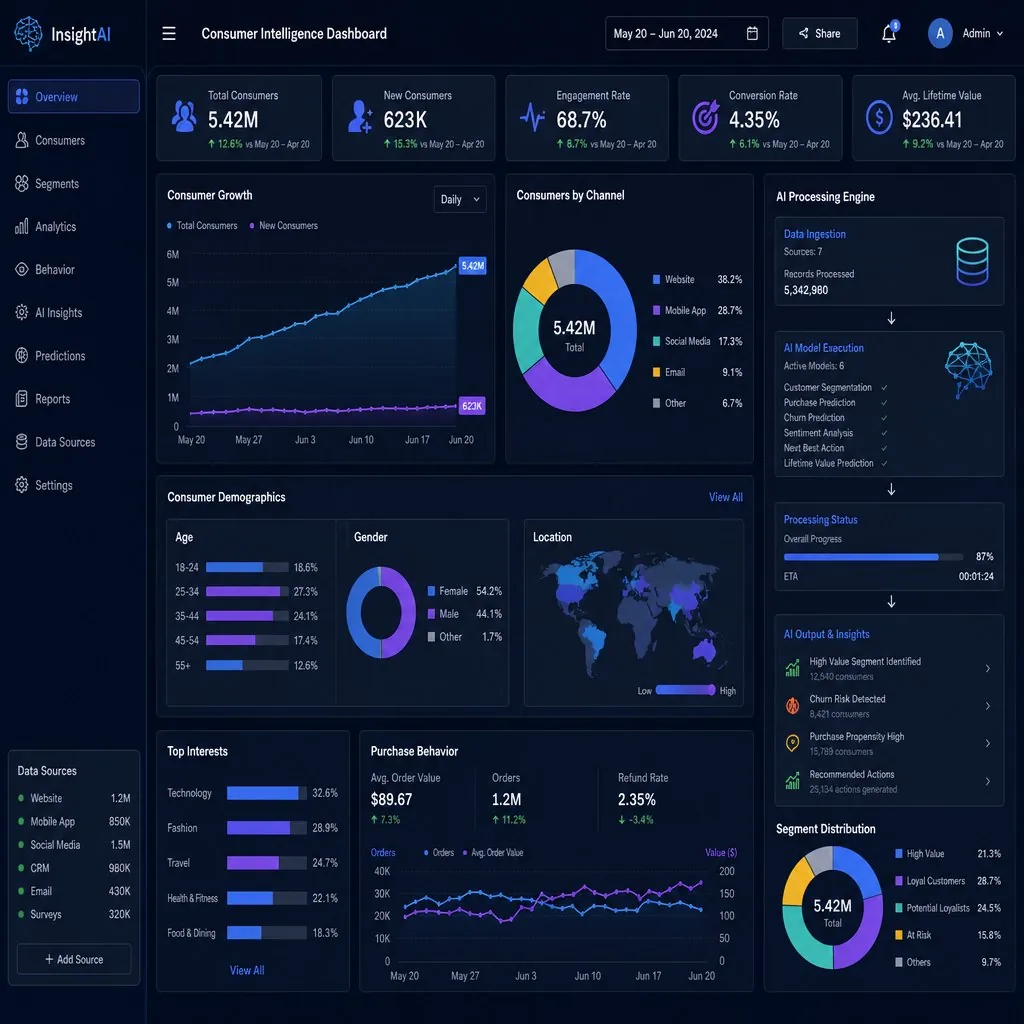
A common question arises: exactly how can ai be used in marketing to drive tangible, measurable results? From automating mundane, repetitive administrative tasks to crafting highly targeted, emotionally resonant campaigns, using ai in marketing empowers teams to work significantly smarter, not just harder. It bridges the gap between raw data and human creativity. In this comprehensive guide, we will explore the strategies, innovative tools, and essential best practices necessary to master the modern marketing ecosystem and propel your brand into the future.
What is the Future of Data-Driven Decision Making?
For decades, marketers relied on historical data, small focus groups, and, quite often, sheer gut instinct to guide their strategies. When industry leaders ask, "what is the future of data-driven decision making?" the answer lies unequivocally in the adoption of artificial intelligence. AI removes the guesswork from the equation.
Today, utilizing predictive analytics for consumer behavior allows forward-thinking brands to forecast upcoming market trends, anticipate individual customer needs, and allocate their advertising resources with unprecedented accuracy. Instead of looking backward at what consumers did last month, predictive models analyze millions of data points to determine what consumers are most likely to do tomorrow.
By deploying comprehensive ai marketing solutions, organizations can process vast amounts of unstructured data—ranging from social media interactions to website clickstreams—in mere seconds. This paradigm shift transforms overwhelming, chaotic raw information into structured, actionable insights. Ultimately, it ensures that every single dollar spent on marketing initiatives is backed by statistical probability and deep behavioral analysis, drastically reducing wasted spend and maximizing overall efficiency.
Elevating the Customer Experience
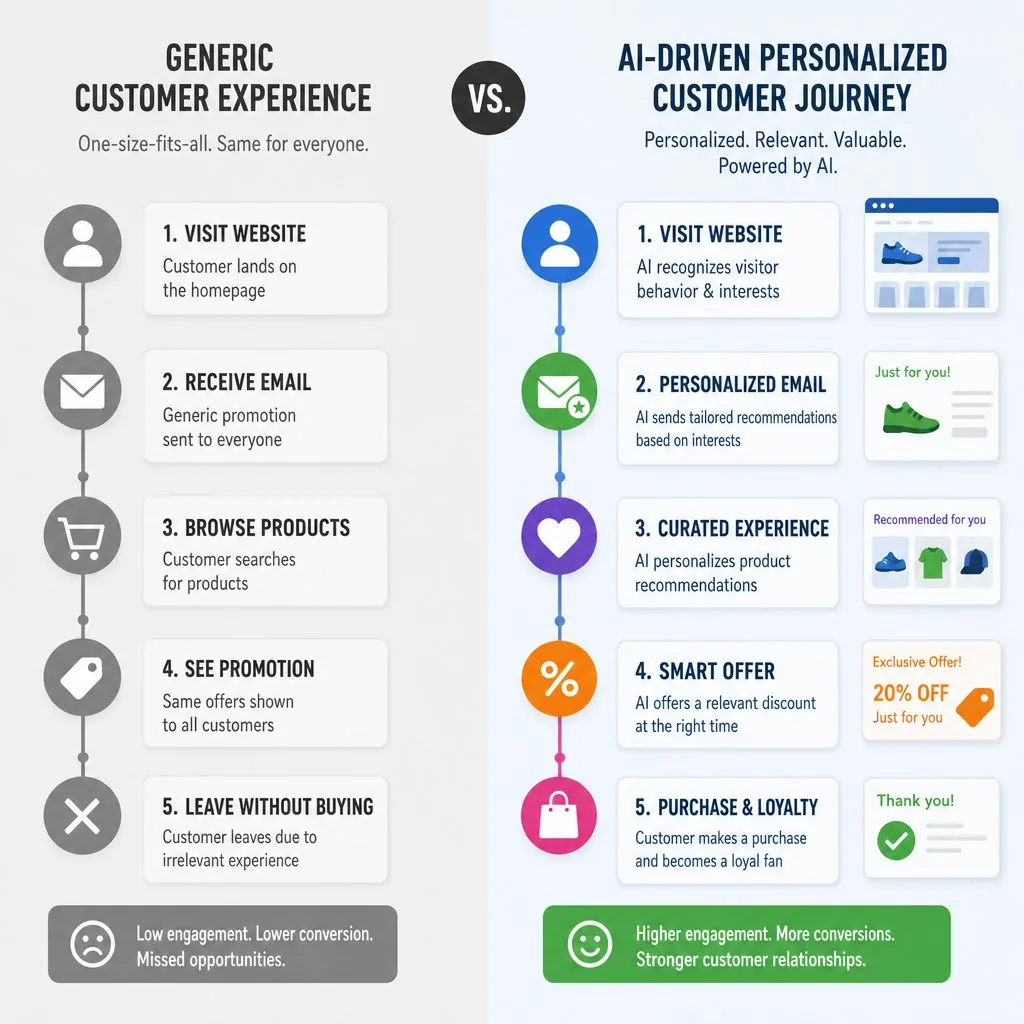
Segmentation and Hyper-Personalization
One of the most powerful and visible applications of intelligent technology today is the hyper-personalized customer experience transformation. Modern consumers are inundated with generic advertisements; consequently, they expect brands to intimately understand their unique preferences and pain points. Through the use of automated customer segmentation strategies, AI dynamically groups your audiences based on intricate behavioral patterns, geographic demographics, and detailed purchasing history. This allows marketers to deliver the right message, to the right person, on the right device, at the precise moment they are most likely to convert.
Mapping and Retention Strategies
Understanding the buyer's complex path from discovery to purchase is critical for long-term success. By utilizing sophisticated real-time customer journey mapping tools, marketers can instantly visualize exactly how users interact with their brand across multiple digital and physical touchpoints. If a prospective buyer encounters friction on your website—like an abandoned cart—AI detects this anomaly instantly and alerts your team.
Furthermore, businesses are successfully reducing customer churn through proactive engagement. By identifying the subtle behavioral signs of at-risk customers long before they actually leave for a competitor, AI can automatically trigger personalized re-engagement emails, exclusive discount offers, or targeted customer service interventions. This proactive approach secures brand loyalty and significantly improves the overall lifetime value of your customer base.
Revolutionizing Content Creation and Search Visibility

Generating Engaging Material
The ongoing debate surrounding generative content creation versus traditional methods is currently dominating marketing circles worldwide. Traditional content creation is notoriously time-consuming and heavily reliant on extensive human resources. Conversely, generative AI tools can draft comprehensive blog posts, engaging social media updates, and email newsletters in a fraction of the time. While human oversight remains absolutely essential for injecting brand voice, empathy, and nuanced tone, AI provides an incredibly powerful springboard that eliminates writer's block and scales content production seamlessly across multiple channels.
Sentiment Analysis and SEO Optimization
To truly resonate with your target audience, you must understand exactly how they feel about your brand. Integrating natural language processing for sentiment analysis allows brands to continuously monitor global social media mentions, forum discussions, and customer reviews. This technology accurately gauges the public mood, allowing PR and marketing teams to adjust their messaging dynamically.
Additionally, the world of Search Engine Optimization is evolving rapidly. Optimizing search engine visibility with LLMs (Large Language Models) involves far more than simply stuffing keywords into a webpage. It requires creating highly informative content that directly answers complex, conversational user queries, structuring backend data specifically for AI-driven search engines, and identifying semantic keyword gaps that traditional SEO software might completely overlook.
Smarter Advertising and Dynamic Pricing Models
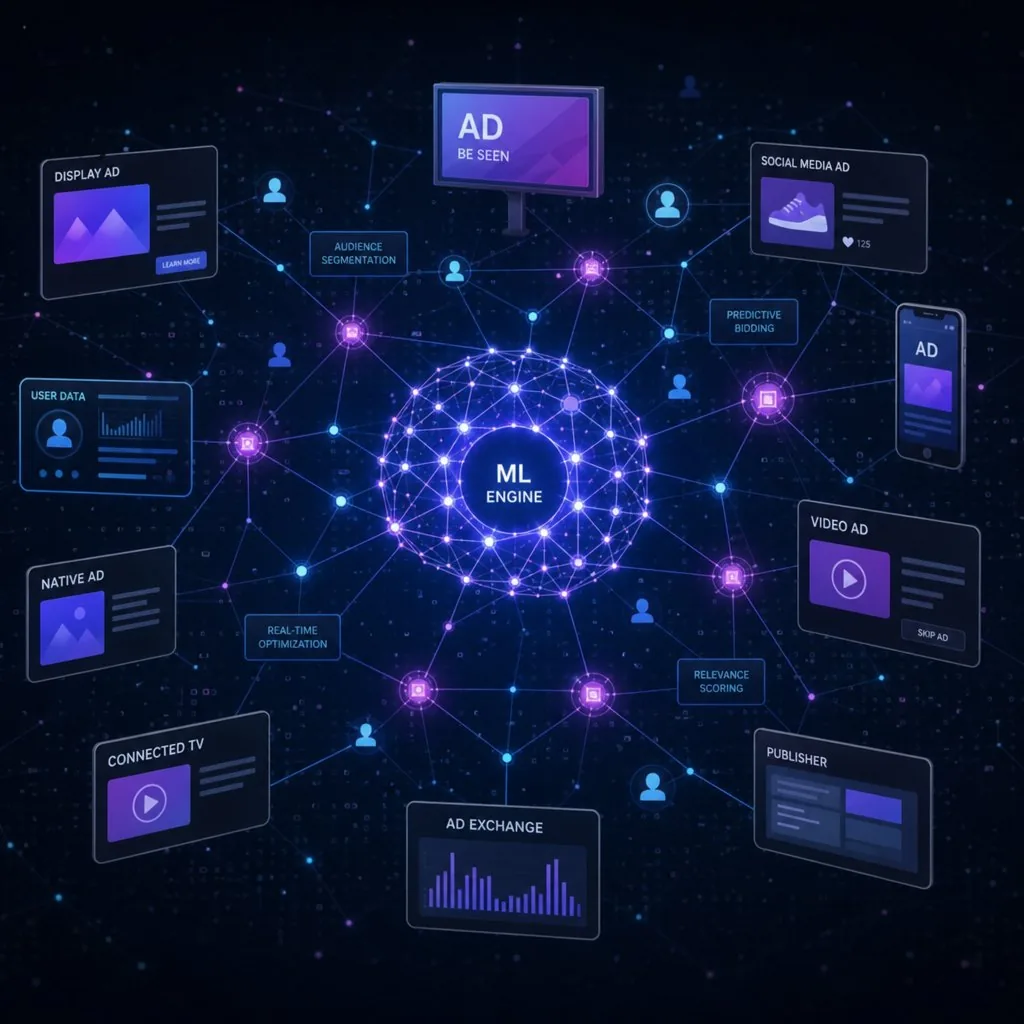
When it comes to managing paid media budgets, utilizing ai for marketing campaigns consistently yields a significantly higher return on ad spend (ROAS) than manual campaign management.
Machine Learning in Digital Ads
The rapid integration of machine learning in digital advertising means that ad platforms can now autonomously test tens of thousands of headline, image, and copy variations simultaneously. These systems adjust bids and targeting in real-time based on live data. Interestingly, this technology is democratizing the advertising space. Even smaller, local brands can successfully compete on a much larger scale by utilizing programmatic advertising platforms for small business, which automate the complex buying and negotiating of digital ad space to ensure maximum efficiency and broader reach without requiring a massive agency budget.
Flexible Pricing Strategies
For retail brands and digital storefronts, AI offers a massive competitive edge through the implementation of dynamic pricing strategies for e-commerce. By continuously analyzing competitor pricing structures, current inventory levels, seasonal trends, and real-time market demand, AI algorithms can adjust product pricing dynamically. This ensures that a business maximizes its profit margins during peak demand while remaining highly attractive to budget-conscious buyers during slower periods.
Top AI Marketing Use Cases for Immediate Impact

To fully realize the immense value of these emerging technologies, it is helpful to examine some highly practical ai marketing use cases that organizations can implement today:
Intelligent Chatbots and Virtual Assistants: Providing immediate, 24/7 customer support, qualifying inbound leads, and seamlessly routing complex queries to human sales agents.
Predictive Lead Scoring: Identifying exactly which prospects in your CRM are mathematically most likely to close, allowing B2B sales teams to prioritize their outreach efforts effectively.
Automated Email Optimization: Determining the exact optimal send times for individual subscribers and generating compelling subject lines tailored to maximize open rates.
Implementing these strategic tactics directly and positively impacts the corporate bottom line. Marketing leaders and financial officers are constantly evaluating the ROI of marketing automation software. Fortunately, AI-enhanced platforms consistently prove their immense worth by drastically reducing customer acquisition costs, lowering operational overhead, and driving substantially higher conversion rates across all marketing channels.
Implementation and Ethical Considerations
Despite the clear benefits, adopting entirely new technology can often feel overwhelming. Many marketing directors struggle with how to integrate automation into existing workflows without severely disrupting current daily operations. The secret is a methodical, phased approach. Begin by conducting a thorough audit of your current tech stack, identify mundane, repetitive tasks that are ripe for automation, and introduce new AI tools gradually. It is vital to train your human staff to view AI as a collaborative, empowering assistant rather than a threat to their job security.
Equally important is the ethical dimension. As marketers collect and process vast amounts of personal consumer information, ensuring ethical data collection for algorithmic training must remain a top corporate priority. Brands must maintain total transparency with their users regarding exactly how their data is being used. Maintaining compliance with regulations like GDPR, and actively working alongside developers to eliminate inherent biases in AI models will ultimately build deep, enduring trust with your audience.
Conclusion
The era of ai marketing is firmly established and rapidly evolving. By proactively embracing these advanced tools—from hyper-personalized customer journeys to sophisticated generative content—brands can craft incredibly efficient and profoundly impactful campaigns. Start small, prioritize ethical data practices, and watch as artificial intelligence transforms your entire strategy into an unstoppable engine for sustainable business growth.